
1
Otters as bioindicators of estuarine health: Scientific gaps, field-based insights, and a framework for future research
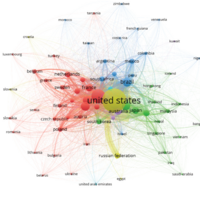
emt.pensoft.netEstuaries are vital ecosystems bridging terrestrial and marine environments, supporting nutrient cycling, biodiversity, and services like flood protection. Yet, they face threats from pollution, habitat fragmentation, overfishing, and climate change, demanding robust bioindicators for effective monitoring. This synthesis highlights otters—semi-aquatic mustelids such as the Neotropical otter (Lontra longicaudis), North American river otter (Lontra canadensis), and sea otter (Enhydra lutris)—as integrative sentinels, leveraging their reliance on clean water, diverse prey, and connected habitats, plus their meso-predator roles in food webs. Based on 40 years of Projeto Lontra fieldwork in Brazil’s Peri Lagoon and global studies, we detail otters’ bioindicator value: habitat specificity (e.g., 30% sighting drops in fragmented areas), contaminant sensitivity (bioaccumulation of POPs, metals, microplastics; 66% Toxoplasma positivity), behavioral proxies (spraints showing diet shifts: 70–80% fish), and top-down effects (e.g., suppressing invasive crabs to stabilize marshes, as in 2025 California research). A Scopus bibliometric analysis (1986–2025) exposes biases: 6,300 publications dominated by temperate species (>70% on sea/Eurasian otters), with tropical/estuarine gaps (Neotropical otter: 211 documents, Brazil at 49%). Persistent challenges include sublethal contaminant effects, dispersal, density regulation, and socioeconomic integration. We propose a seven-pillar framework: population scaling, density studies, impact quantification, monitoring harmonization, reintroductions, socioeconomic balancing, and pathogen considerations. This promotes interdisciplinary, equitable collaborations to advance otter-based estuarine management.
You must log in or # to comment.